ENVIRONMENTAL TEACHERS AND EDUCATORS PORTAL
  • Home
  • About
    • Who We Are
    • This Project
    • Classroom Visits
    • How to Use This Website
  • Lesson Plans
    • Browse by Grade >
      • Grade 3
      • Grade 4
      • Grade 5
      • Grade 6
      • Grade 7
      • Grade 8
      • Grade 9
      • Grade 10
      • Grade 11
      • Grade 12
    • Browse by Theme >
      • Climate Change
      • Ecology & Animals
      • Energy
      • Local Food
      • Waste
      • Water
  • Activities
    • Climate Change
    • Ecology & Animals
    • Local Food
    • Waste
    • Water
  • Resources
    • Climate Change
    • Ecology & Animals
    • Energy
    • Local Food
    • Water
    • Waste
    • Take Action!
  • Contact

Water Stewardship


NWT Drinking Water Curriculum Summary
This Northern-focused student curriculum is comprised of two separate lessons designed to help students think critically about drinking bottled water in the Northwest Territories and the steps through which communities can and do protect their community’s tap water. Click the links to the lessons below.

Curriculum Connections:
Grade 7 and 8 Science in Action
Grade 8 Math
Dene Kede School Curriculums
  • Lesson 1 - Behind the Bottle
    • Tap water or bottled water: which is better for you and for the environment?
      This lesson includes a set of activities that will help students think critically about the journey of a bottle of water. Students will gather information about the bottled water being sold in their community and compare the price of bottled water with the price of local tap water. Adding up the full costs of consuming bottled water will allow students to compare the ecological footprints of bottled water and tap water, and decide which is better both for themselves and for the environment.
  • Lesson 2 - Drinking Water in Our Community
    • How do we know our drinking water is safe to drink?
      This lesson includes a set of activities that will help students to understand all of the steps through which communities can and do protect their drinking water. Students will gather the information that they need by accessing resources that are available on the website. Through the process of learning, they will understand better why it is important to keep drinking water safe for consumption. They will also explore the roles and responsibilities of people who work in their communities to make sure that the water stays safe – every day.

More Water-Related Teaching Resources

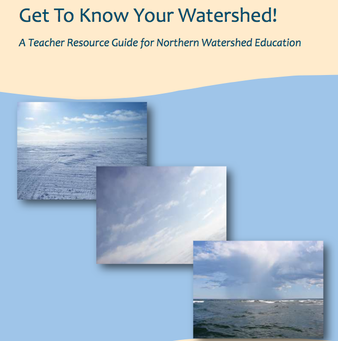
Get To Know Your Watershed!

Watersheds are important features in our landscape that teach us about how water flows, how rivers are created and how land and water ways are connected. Other topics such as geology, weather, topography, land cover, land uses and water quality can also be incorporated when teaching students about watersheds.

This Teacher Resource Guide was developed for northern teachers and organizations to help teach and engage students in learning about watersheds.
Picture

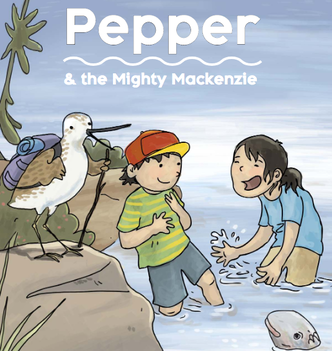
Pepper and the Mighty Mackenzie

This is an education project in support of the Northwest Territories Water Stewardship Strategy.

Join Pepper the Sand Piper as she explores the mighty Mackenzie River. The whole family can read along with Pepper’s adventures as she follows the low of the Mackenzie River north to where her family is nesting on the shores of the Arctic ocean. Through her journey, you will meet lots of friends and ind many fun games - colouring, word searches, connect the dots and more!
Picture
Website designed and maintained by Ecology North. Funding for this project provided by NSERC, MACA, and TD..
  • Home
  • About
    • Who We Are
    • This Project
    • Classroom Visits
    • How to Use This Website
  • Lesson Plans
    • Browse by Grade >
      • Grade 3
      • Grade 4
      • Grade 5
      • Grade 6
      • Grade 7
      • Grade 8
      • Grade 9
      • Grade 10
      • Grade 11
      • Grade 12
    • Browse by Theme >
      • Climate Change
      • Ecology & Animals
      • Energy
      • Local Food
      • Waste
      • Water
  • Activities
    • Climate Change
    • Ecology & Animals
    • Local Food
    • Waste
    • Water
  • Resources
    • Climate Change
    • Ecology & Animals
    • Energy
    • Local Food
    • Water
    • Waste
    • Take Action!
  • Contact